















Dr. Sandra Eriksson Mirkovic
Physician with a special interest in hyperhidrosis
This guide is aimed primarily at those who suffer from hyperhidrosis - a disease that leads to a greatly increased tendency to sweat, despite outer stimuli like environment and activity, but it can also be helpful to you with “normal sweat”.There are a variety of anti-sweat products and treatments on the market. For those of you who suffer from heavy sweating, you have probably tried some of these and noticed that they were not very helpful. However, there are other, not so well known, anti-sweat treatments that even healthcare professionals lack knowledge of.
The most suitable anti-sweat product or treatment largely depends on which areas of the body are affected by excessive sweating. For issues with sweating on the hands, feet, armpits, or even other areas like the face, one of the most effective options is to use an anti-sweat device, specifically an iontophoresis machine, which allows you to treat sweating conveniently at home. This machine is simple to use and doesn’t require assistance from healthcare professionals. Compared to many other anti-sweat treatments, iontophoresis is cost-effective and typically has mild side effects, such as skin irritation, which can occur if the instructions are not followed or if the currents are set too high.
Anti sweat machine
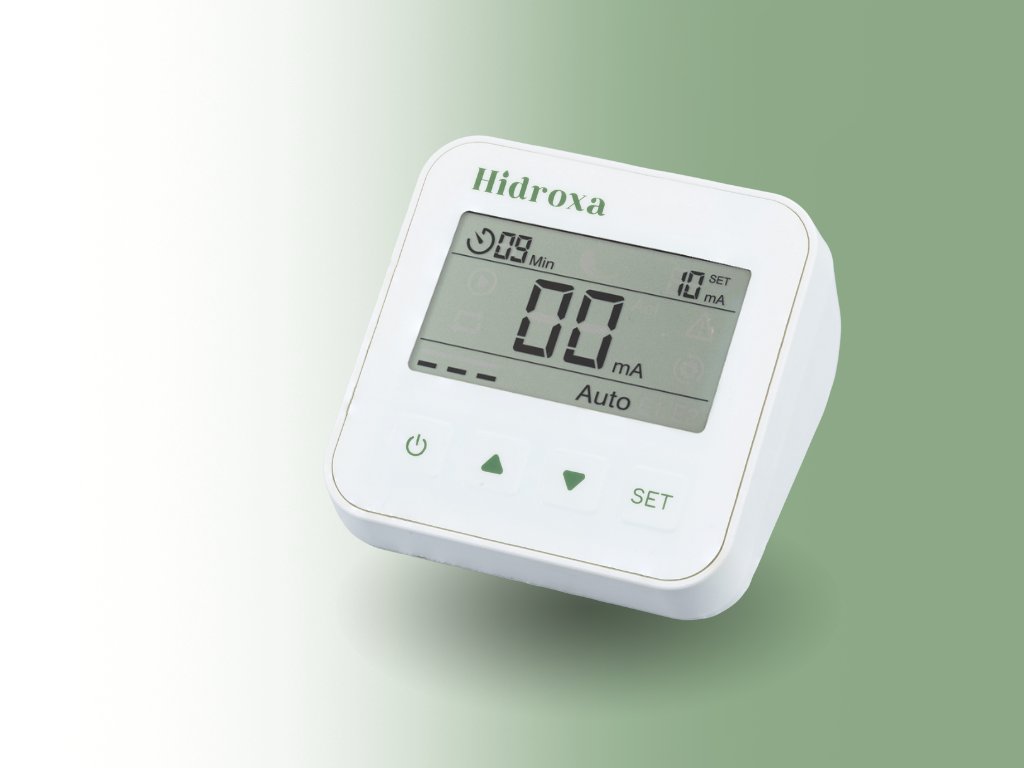
Our Hidroxa SE30 iontophoresis machine is easy to use and clinically tested for treating excessive sweating of palms, feet, face, and armpits.
Iontophoresis is a scientifically proven method that works for approximately 95% of our customers. You can reach its full effect with 12 treatments.
Two main types of hyperhidrosis
People mainly associate excessive sweating with armpits and hands. However, the problem can appear almost anywhere on the body - head, face, groin, torso, or feet.
Understanding the difference helps patients and clinicians to understand the cause of the condition and then to perform the best treatment option.
Excessive sweating is divided into two types:
- Primary hyperhidrosis
- Secondary hyperhidrosis
Primary hyperhidrosis
Primary hyperhidrosis isn’t caused by medications, side-effects, or other medical conditions. This type of excessive sweating appears on specific (focal) areas of the body.
Sweating mainly occurs in adolescence or childhood. But it can also affect several body parts or almost the whole body and is then called multifocal or even generalized hyperhidrosis. The generalized kind often appears in adulthood.
Common parts of the body affected by primary focal hyperhidrosis are:
- Hands
- Feet
- Armpits
- The groin area
- Face and/or head
Most people with this type of excessive sweating experience it in multiple body areas. For example, sweaty palms are usually accompanied by sweaty feet. The groin area is often combined with excessive sweating of the armpits. These patients mostly don’t sweat when they are sleeping.
This guide is aimed primarily at those who suffer from hyperhidrosis - a disease that leads to a greatly increased tendency to sweat, despite outer stimuli like environment and activity, but it can also be helpful to you with “normal sweat”.There are a variety of anti-sweat products and treatments on the market. For those of you who suffer from heavy sweating, you have probably tried some of these and noticed that they were not very helpful. However, there are other, not so well known, anti-sweat treatments that even healthcare professionals lack knowledge of.
The most suitable anti-sweat product or treatment largely depends on which areas of the body are affected by excessive sweating. For issues with sweating on the hands, feet, armpits, or even other areas like the face, one of the most effective options is to use an anti-sweat device, specifically an iontophoresis machine, which allows you to treat sweating conveniently at home. This machine is simple to use and doesn’t require assistance from healthcare professionals. Compared to many other anti-sweat treatments.



Chawki Mayed has submitted a review about Hidroxa
Life-Changing. No More Sweaty Hands. I’m Free.
Sweaty hands have haunted me for years. I tried wipes, creams, sprays — nothing lasted. Then I found Hidroxa.
After just 10 short sessions, I can honestly say: my palms are dry. For the first time in my adult life, I’m shaking hands with full confidence. My hands feel tight, clean, and dry — and that’s exactly what I wanted. The feeling is hard to describe… It’s like freedom in your own skin.
Thank you, Hidroxa. Your product has genuinely changed my life. I’m beyond satisfied — I’m grateful. If you’re thinking about buying this, don’t hesitate. It works. Period.
Glezzel Marrie has submitted a review about Hidroxa
I'm very grateful that this treatment exist! I am now dry both my hands and my feets. I highly recommend this to everyone who is suffering with palmar and plantar hyperhidrosis. Give it a try because this iontophoresis is truly a life saver. ❤️
Motiejus has submitted a review about Hidroxa
I had excessive sweating most of my life, hands and feet, it was embarrasing to go to somebodys house, remove shoes and wet feet and socks. Not to mention always having to dry my hand on my clothes before shaking someones hand. When I heard about iontophoresis, I gave Hidroxas machine a chance, and after 2 weeks, my life changed. No more sweaty hands or feet, except when doing something active like working out, which is normal. Best of all, I can play the piano without having a ventilator right by my hands , without getting the keys wet! Thank you so much Hidroxa ❤️
Read about hyperhidrosis in your language:


Complications of excessive sweating
Social and emotional difficulties
People who are affected by excessive sweating experience agonizing difficulties in their everyday life. They avoid social interactions with other people and feel embarrassment in professional and in private life. They are more likely to experience anxiety, depression, emotional distress, etc.
Studies have shown that physiological conditions aren’t the cause of extreme sweating in most cases, but it can lead to depression and anxiety in the long run because it is so exhausting living with the condition.
Social and emotional difficulties
People who are affected by excessive sweating experience agonizing difficulties in their everyday life. They avoid social interactions with other people and feel embarrassment in professional and in private life. They are more likely to experience anxiety, depression, emotional distress, etc.
Studies have shown that physiological conditions aren’t the cause of extreme sweating in most cases, but it can lead to depression and anxiety in the long run because it is so exhausting living with the condition.
Social and emotional difficulties
People who are affected by excessive sweating experience agonizing difficulties in their everyday life. They avoid social interactions with other people and feel embarrassment in professional and in private life. They are more likely to experience anxiety, depression, emotional distress, etc.
Studies have shown that physiological conditions aren’t the cause of extreme sweating in most cases, but it can lead to depression and anxiety in the long run because it is so exhausting living with the condition.